The AI Revolution in Dubai Real Estate: For Maximum Investment ROI in 2026

Discover how AI is transforming Dubai real estate in 2026. Learn smart investment strategies, rental yield insights, and data-driven tools to maximise ROI in Dubai’s evolving property market.
Dubai has never waited for the future — it builds it. From the world’s tallest tower to master-planned waterfront communities carved out of desert land, the emirate has consistently stayed ahead of global real estate trends. In 2026, another transformation is quietly reshaping the market: artificial intelligence.
AI is no longer a buzzword in Dubai’s property sector. It is influencing how developers design communities, how brokers price units, how investors assess risk, and how landlords maximize rental yields. For serious investors, this shift is not about technology for the sake of innovation. It is about precision — smarter acquisitions, faster decisions, and stronger returns.
As someone who has closely analysed Dubai’s property cycles — from the 2008 correction to the post-Expo boom and the 2023–2025 luxury surge — one pattern is clear: investors who adapt early to structural shifts outperform the market. AI is now that structural shift.
In 2026, understanding how artificial intelligence intersects with supply pipelines, buyer behaviour, and government strategy will determine who captures the highest ROI — and who simply follows the crowd.
The Current Market Landscape: Why 2026 Is Different
Dubai’s real estate market entered 2026 with strong fundamentals:
Continued population growth driven by skilled migration and long-term residency visas
Expansion of the Golden Visa and investor-friendly regulations
Record-breaking transaction volumes in prime and ultra-prime segments
Increased demand for smart, sustainable communities
However, supply is also rising. Several off-plan projects launched in 2023–2025 are nearing completion. This means pricing strategy, tenant targeting, and micro-location selection matter more than ever.
In previous cycles, investors relied on market sentiment and broker guidance. Today, AI-powered analytics platforms provide granular insights:
Historical price movements by building, not just community
Rental yield forecasting based on demographic data
Vacancy risk analysis using mobility and infrastructure patterns
Predictive demand modelling tied to upcoming transport links
This data-driven shift is creating a gap between informed investors and speculative buyers.
How AI Is Transforming Investment Decisions
1. Smarter Property Valuation

AI algorithms now assess property values using thousands of data points — transaction history, nearby school ratings, future infrastructure plans, and even walkability scores.
In areas like Dubai Hills Estate, JVC, and Business Bay, micro-variations in price can significantly impact yield.
AI tools help investors:
Identify undervalued towers within prime communities
Detect price discrepancies between similar layouts
Avoid overpaying during peak demand cycles
This precision reduces acquisition risk — one of the biggest threats to ROI.
2. Predictive Rental Yield Optimization

Rental yields in Dubai remain globally competitive, averaging between 6% and 9% in many mid-market communities. But not all properties within the same area perform equally.
AI platforms now analyse:
Tenant movement patterns
Corporate relocation trends
Short-term rental demand fluctuations
Unit size preferences by nationality demographics
For example, compact one-bedroom units near metro extensions consistently outperform larger layouts in the same building. AI-backed insights make this clear before purchase — not after.
3. Risk Mitigation in Off-Plan Investments
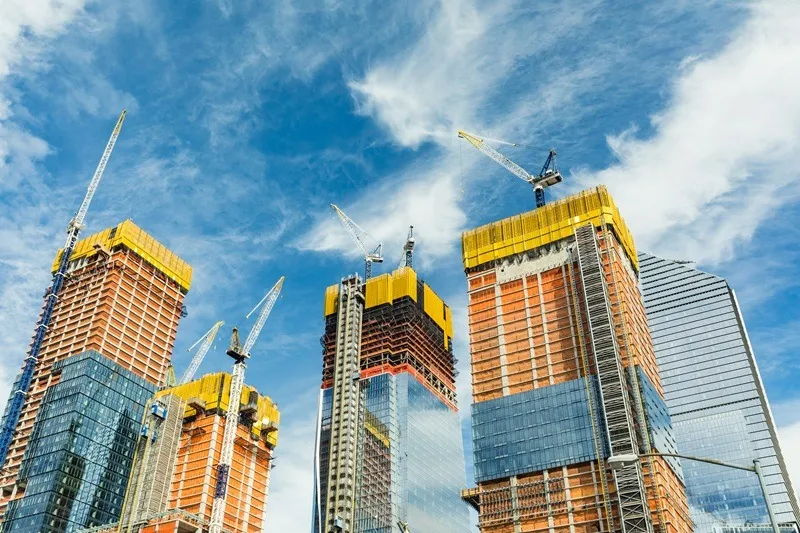
Off-plan remains attractive in Dubai due to flexible payment plans and capital appreciation potential. However, delivery delays, oversupply, or developer reputation can impact returns.
AI tools now evaluate:
Developer track records
Historical completion timelines
Price growth after handover in previous projects
Supply density within a 3–5 km radius
Investors who use predictive modelling can differentiate between hype-driven launches and genuinely strategic projects.
In 2026, this distinction is crucial. With multiple master communities expanding simultaneously, oversupply in certain micro-markets is a real risk.
AI-Integrated Smart Communities: The New Premium
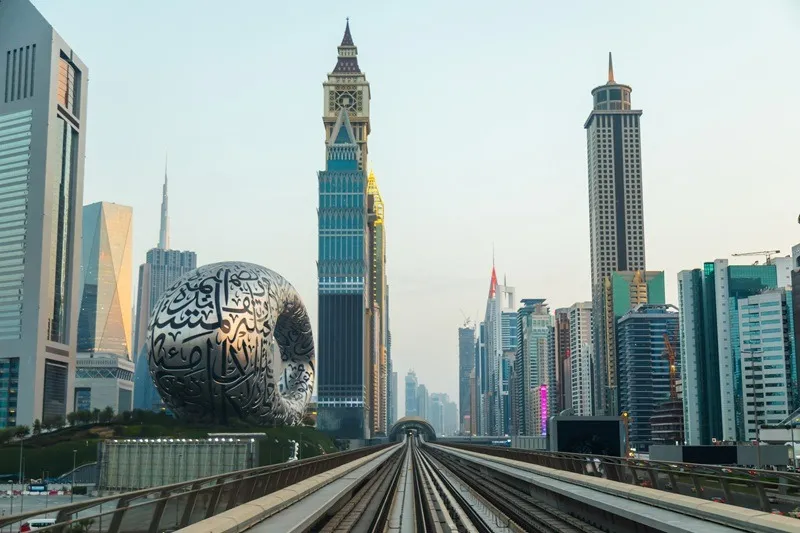
Dubai’s government vision aligns strongly with smart city initiatives. Developers are responding by integrating AI into property operations:
Smart energy management systems
Predictive maintenance in buildings
AI-powered security and access control
Dynamic parking management
https://dubaispaces.com/
Why does this matter for investors?
Because operational efficiency directly impacts service charges and tenant satisfaction. Lower operating costs and better building management improve occupancy rates — and therefore rental stability.
Communities that integrate AI infrastructure are commanding rental premiums, particularly among:
Tech professionals
Remote workers
International executives
ESG-focused corporate tenants
This is especially visible in areas like Dubai Creek Harbour , Dubai South, and new smart districts near Expo City.
The Rise of AI in Brokerage and Property Marketing
AI is also transforming how properties are bought and sold.
Automated buyer matching systems
Virtual property tours powered by machine learning
Chat-based investment advisory tools
Dynamic pricing recommendations for sellers
For investors, this means liquidity is improving. Units that are priced strategically — based on real-time demand analysis — sell faster.
Time on market directly impacts ROI. A property that sells 60 days faster reduces holding costs and increases annualised return.
High-ROI Strategies for 2026
Based on current trends, the following strategies align with AI-backed market analysis:
1. Target Transit-Oriented Developments
Properties near expanding metro lines and new road networks show consistent capital appreciation. AI mobility data confirms this trend.
2. Focus on Mid-Luxury Smart Units
Ultra-luxury remains strong, but the mid-luxury segment (AED 1.2M–2.5M range) shows more resilient rental demand and stronger yield stability.
3. Prioritise Developer Reputation
AI trend analysis shows projects by established developers maintain higher resale liquidity and lower price volatility.
4. Consider Short-Term Rental Zones
Tourism remains a key pillar of Dubai’s economy. AI occupancy tracking indicates that well-located short-term rental units outperform long-term leases in high-tourism districts.
5. Evaluate Service Charges Carefully
AI building-performance models reveal that lower service charge communities consistently deliver stronger net ROI — even if purchase prices are slightly higher.
The Role of Government and Regulatory Technology
Dubai Land Department and related authorities are increasingly digitising property transactions. Blockchain-backed title systems and AI-driven compliance checks are improving transparency.
For investors, this reduces fraud risk and accelerates transaction timelines.
The government’s long-term urban expansion plans — including Dubai 2040 Urban Master Plan — provide structural confidence. AI tools integrate these macro-level strategies into micro-investment decisions.
This combination of visionary planning and data transparency makes Dubai one of the most technology-aligned real estate markets globally.
Potential Risks to Watch
While AI enhances decision-making, it does not eliminate risk.
Overreliance on automated projections
Market saturation in trending areas
Global economic slowdowns affecting foreign demand
Regulatory shifts in short-term rental licensing
The key is using AI as a decision-support tool — not as a replacement for market judgement.
Human expertise, on-ground knowledge, and understanding buyer psychology remain essential.
Conclusion
Dubai’s 2026 real estate landscape is not defined by speculation — it is defined by intelligence. Artificial intelligence is transforming how property is priced, marketed, managed, and evaluated.
For investors, this shift presents a clear choice: rely on traditional intuition or leverage data-driven precision.
The highest ROI opportunities in Dubai are no longer just about buying early — they are about buying smart. Investors who combine AI-powered analytics with deep market understanding will capture stronger rental yields, faster resale cycles, and more resilient capital appreciation.
Dubai continues to evolve, and so must its investors.
In a market built on ambition and innovation, those who embrace the AI revolution will not just participate in growth — they will lead it.


Comments
Post a Comment